

An AI skill that provides design intelligence for building professional UI/UX across multiple platforms.
Anydesign
Claude skill that analyzes images, websites, and Figma files and generates a structured design.md with token system, component inventory, and reconstruction notes.
Install
$
git clone https://github.com/uxKero/anydesignInstall command taken from the project's README or registry entry. Always review code before running it.
README excerpt
Read full README on GitHub →anydesign
Point it at anything visual. Get a design system back.
A Claude skill that turns images, websites, and Figma files into structured, machine-readable design specs — and copies single elements (navbars to 3D art) as rebuild prompts any AI can execute.
Install · See it work · Element mode · CLI scripts · Examples
🧠 What it does
anydesign runs in Claude — its output is universal. Plain Markdown + W3C DTCG
JSON that v0, Lovable, Cursor, Bolt, Claude Code, or a human designer can consume.
No lock-in. It's not a description generator — it's a design diagnostics tool:
every inference carries a confidence marker (✅ ⚠️ ❓), every color is a real hex,
and inventing tokens is treated as worse than saying "not enough info".
Two modes, picked automatically from what you ask:
| You say | Mode | You get |
|---|---|---|
| "Extract the design system from this site" | Full analysis | design.md (7-section spec) + design-tokens.json (DTCG) + optional WCAG report |
| "Copy this navbar" / "Recreate this 3D graphic" | Element mode | A focused element.md: code spec + rebuild prompt, or a token-grounded image prompt |
🎬 See it work
Every image below is a real, reproducible run — sources and commands live in
examples/.
Act 1 — A full design system becomes a running app
The skill analyzed vercel.com (808 CSS custom properties
extracted, nothing invented), produced a design.md, and v0 built this from it:
Live at v0-anydesignexample.vercel.app · full run in examples/vercel-landing/
Act 2 — One element, rebuilt
Element mode pointed at the retro Mac OS player of poolsuite.net: DOM-precise capture, pixel-sampled palette, the verbatim bevel-shadow system — and a rebuild prompt that v0 turned into a working app.
| Captured element | Rebuilt by v0 from the element.md |
|---|---|
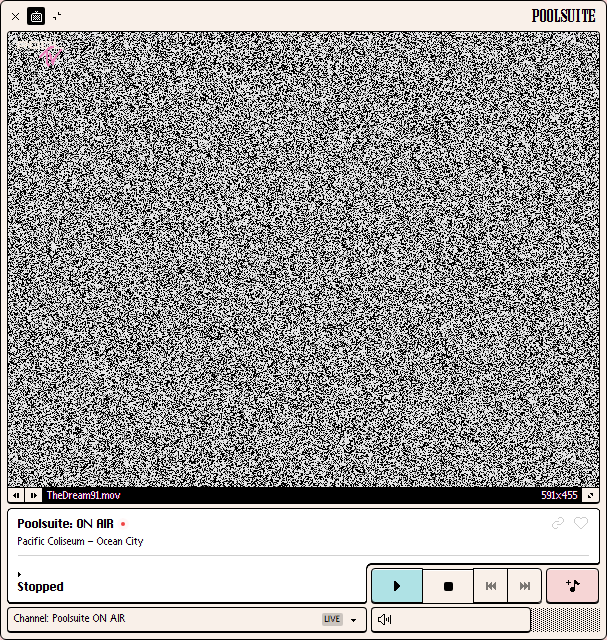 |
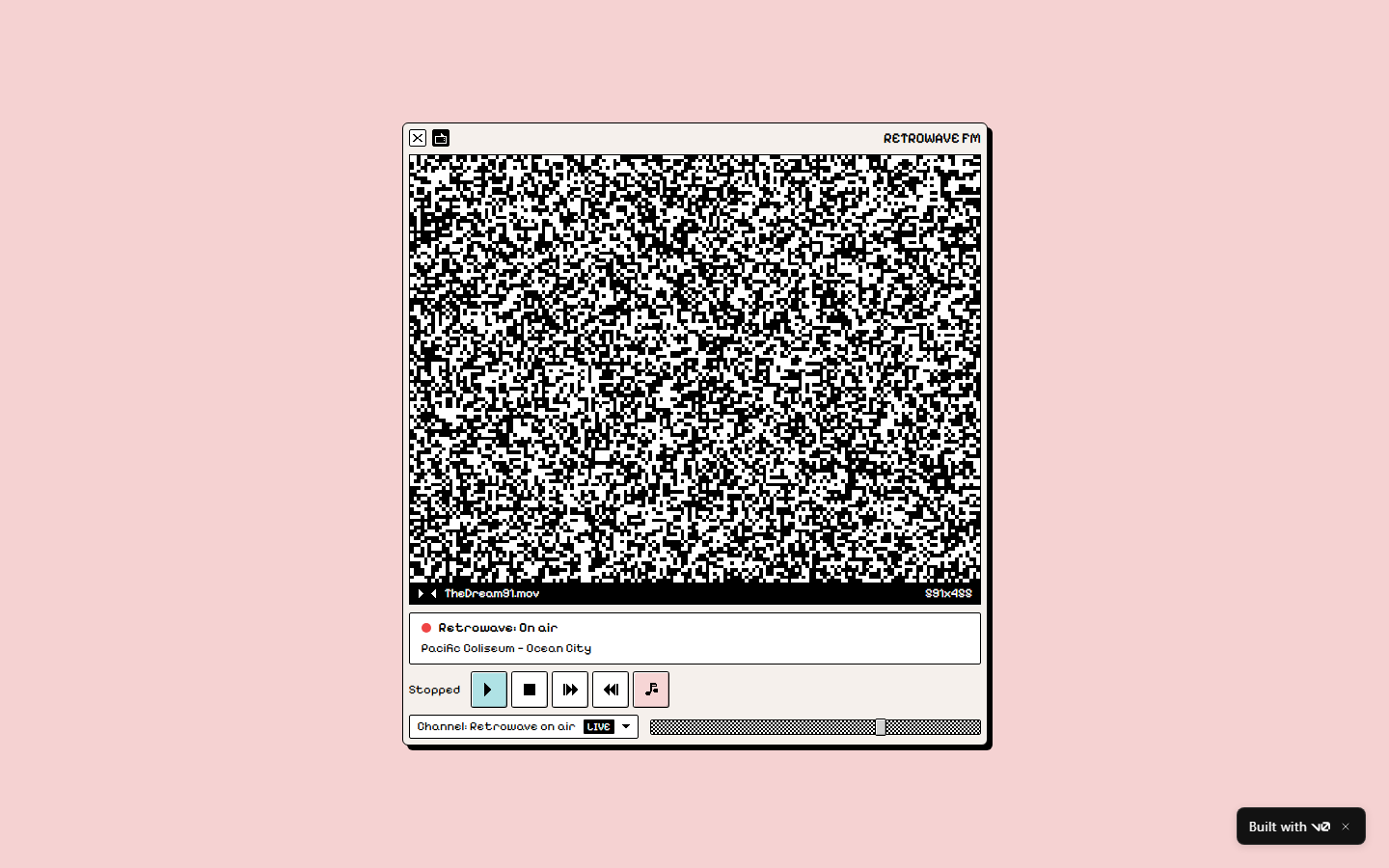 |
Live at retro-radio-player-zz.vercel.app · run details in examples/poolsuite-player-element/
Act 3 — Art becomes a prompt that holds
When the element is art, you get a generative image prompt grounded in the extracted palette — hex by hex. Discord's 3D hero scene, regenerated on the first pass: indigo world locked, every accent on its exact extracted hex, original characters (no brand mascots — there's an IP guardrail).
| Captured element | Generated from the token-grounded prompt |
|---|---|
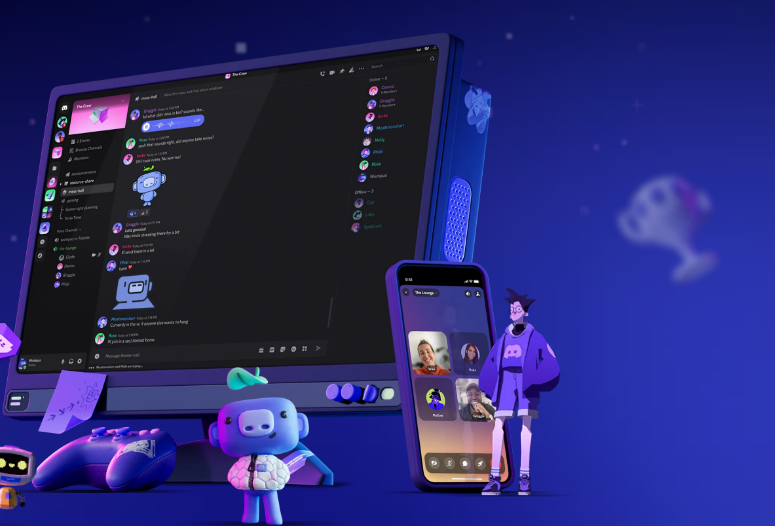 |
 |
And the same extraction as an isolated, web-ready cutout — single subject, real alpha, no scenery. Drop it straight into your site:
Both prompts + alpha verification in examples/discord-hero-asset/
Act 4 — Game asset packs that stay consistent
Similar plugs

Turn any codebase, with its docs, SQL schemas, configs, and PDFs, into a queryable knowledge graph. A /graphify skill for Claude Code, Cursor, Codex, and Gemini CLI: local…

The 1st Collaborative AI Design Agent Workspace. Local-first and open source. Create prototypes, websites, apps, dashboards, presentations, images, and videos with your team…

Persistent Context Across Sessions for Every Agent – Captures everything your agent does during sessions, compresses it with AI, and injects relevant context back into future…

Agent skills that give coding agents taste: art direction, reference images and a browser check instead of generic AI pages

Graphs that teach > graphs that impress. Turn any code into an interactive knowledge graph you can explore, search, and ask questions about. Works with Claude Code, Codex,…